
Courses of Walks
2026-2027 COURSE SCHEDULE
From September 2026 to June 2027 WLWU are offering the following three short courses of eight walks, on a Tuesday or Thursday morning with a midway break to coincide with the half term school holidays.
All walks start at 11 am and last between 90 minutes and 2 hours, starting and finishing close to a public transport hub.
All courses cost £140 per person for 8 walks. A discount is available for PREBOOKED WALKS as follows:
7-8 walks - £17.50 per walk, 4-6 walks - £18.50 per walk, 1-3 walks - £20 per walk
If you would like to attend the occasional walk or would like to bring a friend, please do contact us as we may be able fit you in.
PLEASE ENROL HERE
https://jbowley.wufoo.com/form...
Autumn Term - Literary London

London, more than any other city, has influenced the English Language and Literature. From Shakespeare to "Slum fiction" - follow the footsteps of writers who lived and worked in London and used London's sites and characters in their books.
Tuesday Schedule
- Sept 29, 2026 Slow Horses - Barbican
- Oct 6, 2026 World of Dr. Johnson
- Oct 13, 2026 The End of the Affair - Clapham
- Oct 20, 2026 In the Footsteps of Oliver Twist
- Nov 3, 2026 Waterloo Bridge
- Nov 10, 2026 Shakespeare in the City
- Nov 17, 2026 Covent Garden's Literary Heroes
- Nov 24, 2026 Bloomsbury - 20th century literature
Thursday Schedule
- Oct 1, 2026 Slow Horses - Barbican
- Oct 8, 2026 World of Dr. Johnson
- Oct 15, 2026 The End of the Affair - Clapham
- Oct 22, 2026 In the Footsteps of Oliver Twist
- Nov 5, 2026 Waterloo Bridge
- Nov 12, 2026 Shakespeare in the City
- Nov 19, 2026 Covent Garden's Literary Heroes
- Nov 26, 2026 Bloomsbury - 20th century literature
Spring Term - Medieval London
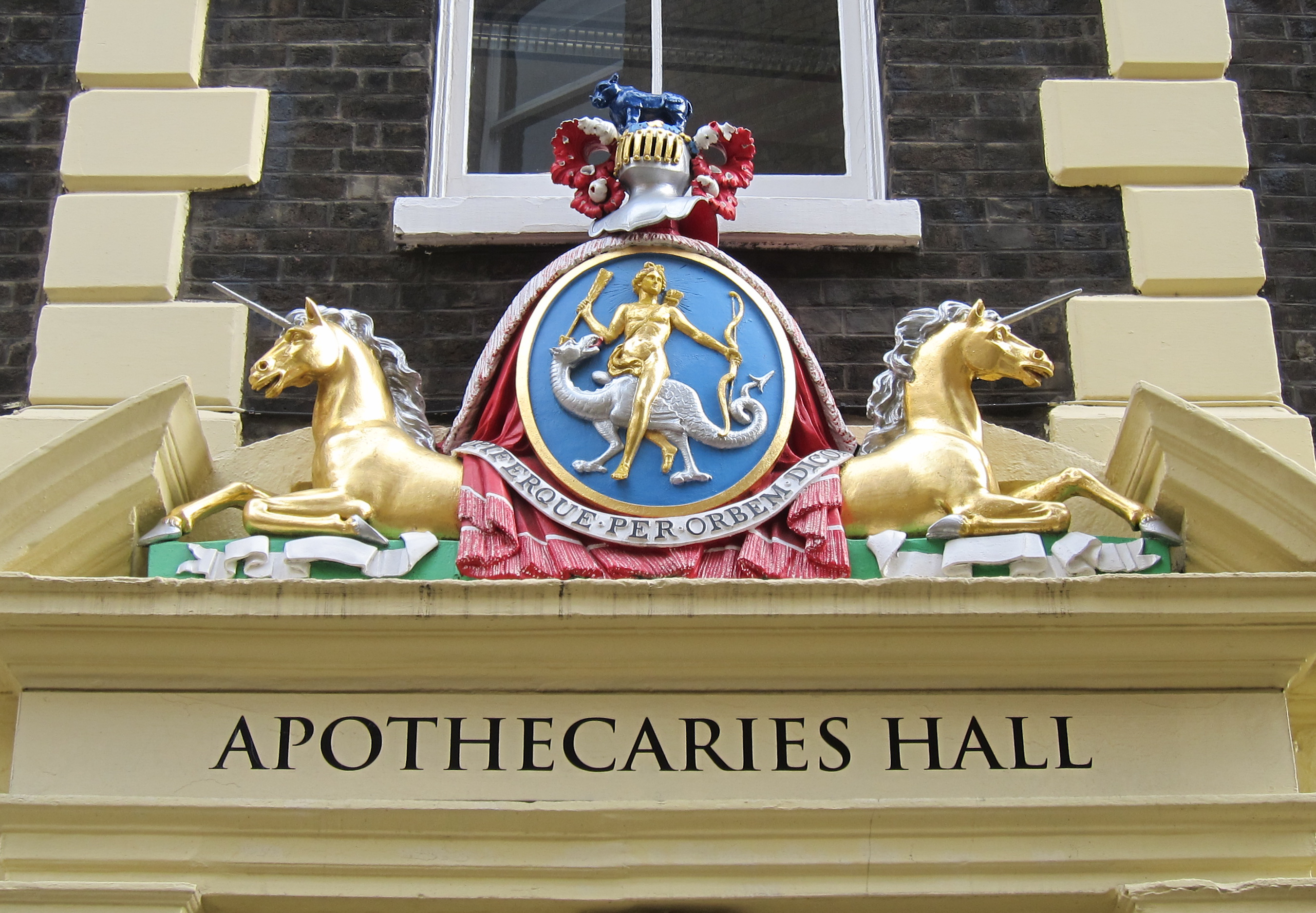
From the Romans' departure until 1500 London grew, got richer and dirtier. Pigs roamed the streets, and the Black Death killed a third of the population. These walks explore Medieval London and the indelible mark left by Monarchs, Monastic Orders and Livery Companies.
Tuesday Schedule
- Jan 19, 2027 Livery Companies
- Jan 26, 2027 Monks, Money & Mercy
- Feb 2, 2027 Medieval Medicine
- Feb 9, 2027 Medieval Markets & Fairs
- Feb 23, 2027 Medieval Bermondsey
- Mar 2, 2027 London Before the Great Fire
- Mar 9, 2027 Medieval Westminster
- Mar 16, 2027 Medieval Port of London
Thursday Schedule
- Jan 21, 2027 Livery Companies
- Jan 28, 2027 Monks, Money & Mercy
- Feb 4 2027 Medieval Medicine
- Feb 11, 2027 Medieval Markets & Fairs
- Feb 25, 2027 Medieval Bermondsey
- Mar 4, 2027 London Before the Great Fire
- Mar 11, 2027 Medieval Westminster
- Mar 18, 2027 Medieval Port of London
Summer Term - Village London
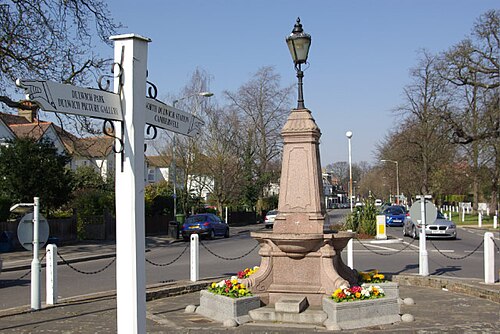
In the mid C19 London was the largest city in the world and Britain the most urbanised country. However, much of London is still a city of villages. These walks will explore the character, history and development of Village London.
Tuesday Schedule
- May 4, 2027 Dulwich, a compact village
- May 11, 2027 Primrose Hill
- May 18, 2027 Clerkenwell, an Italian Village
- May 25, 2027 Kennington, Gin & Cricket in South London
- June 8, 2027 Camberwell
- June 15, 2027 Notting Hill
- June 22, 2027 St. Giles, Romans to Renaissance
- June 29, 2027 Hampstead
Thursday Schedule
- May 6, 2027 Dulwich, a compact village
- May 13, 2027 Primrose Hill
- May 20, 2027 Clerkenwell, an Italian Village
- May 27, 2027 Kennington, Gin & Cricket in South London
- June 10, 2027 Camberwell
- June 17, 2027 Notting Hill
- June 24, 2027 St. Giles, Romans to Renaissance
- July 19, 2027 Hampstead